Self-Priming Capability
Self-priming pumps are designed to handle air in the suction line and re-establish pumping under appropriate conditions after the pump casing has been filled.
94 years of pumping confidence
Rapid Allweiler manufactures and supports self-priming pump solutions for dewatering, drainage, wastewater, agriculture, construction, industrial transfer and site-based pumping applications.
Designed for practical operation where priming convenience and suction lift capability are important, our self-priming pump solutions are backed by local manufacturing capability, workshop support, spare parts assistance and technical pump selection.
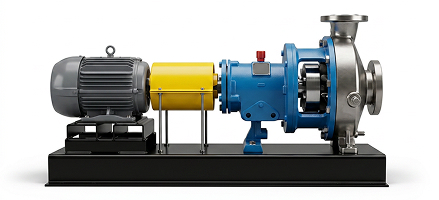
Vertical spindle pumps are suited to sump, tank, pit and vertical installation requirements where the pump arrangement needs to operate from below or within a liquid source.
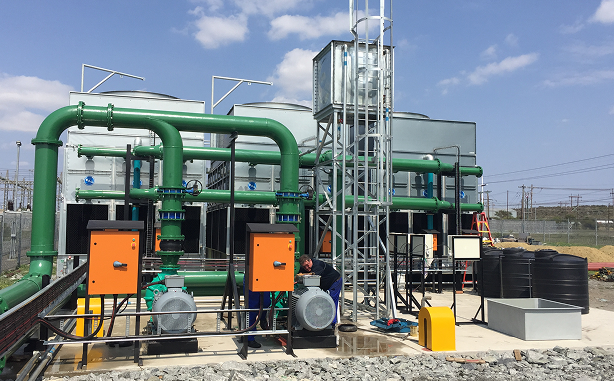
Self-priming pumps are designed for applications where the pump must draw liquid from below the pump level or where manual priming would be impractical. Under suitable conditions, a self-priming pump can evacuate air from the suction line and re-establish pumping after the casing has been initially filled.
This makes self-priming pumps useful for dewatering, drainage, wastewater transfer, agriculture, construction, temporary site pumping, tank transfer and industrial support duties.
Rapid manufactures and supports self-priming pump solutions for clients who need reliable operation in practical field and plant environments. Our team helps assess the suction conditions, fluid type, duty point and installation requirements before recommending the correct pump solution.
Key Product Highlights
Quick Product Facts
Self-priming pumps are selected where operational practicality, suction lift capability and dependable restart performance are important. Rapid supports these pumps with local manufacturing capability, technical guidance and workshop support.
Self-priming pumps are designed to handle air in the suction line and re-establish pumping under appropriate conditions after the pump casing has been filled.
These pumps are often used where pumping conditions change, where the liquid source sits below the pump, or where manual priming would slow down operations.
Self-priming pumps are commonly used in drainage, dewatering, transfer and site-based applications where operational flexibility is required.
Correct pump selection depends on suction lift, flow rate, head, fluid characteristics, solids content, temperature and installation conditions.
Rapid’s local manufacturing capability supports technical communication, practical configuration support and greater accountability.
Rapid supports self-priming pumps with workshop capability, repairs, refurbishment, spare parts assistance and aftermarket support where appropriate.
Rapid supports self-priming pump requirements across industries and sites where fluid needs to be moved reliably from challenging or changing source conditions.
Our pump solutions support:
Self-priming pumps are used in applications where suction lift, priming convenience, drainage or practical site operation are important.
Rapid supports self-priming pump enquiries by helping clients select the right pump for the liquid source, suction conditions, site requirements and long-term operating expectations.
Self-priming performance depends on the suction conditions. Rapid reviews suction lift, pipework, liquid source, priming requirements and installation conditions before recommending a solution.
Where fluid must be moved from pits, excavations, tanks, low-lying areas or site collection points, Rapid helps select a pump that is suited to the required duty.
We consider fluid type, solids content, abrasiveness, temperature, pH, flow rate and head requirements to support suitable pump selection.
Rapid’s local manufacturing and workshop capability gives clients access to technical support, repairs, spare parts guidance and aftermarket assistance.
Where an existing self-priming pump is underperforming, damaged or no longer suited to the application, Rapid can help assess the current duty and recommend an appropriate replacement or repair path.
We start by reviewing the fluid, flow rate, total head, suction lift, pipework, liquid source, solids content, temperature and operating environment.
Rapid assesses priming conditions, installation layout, materials, operating hours, service expectations and maintenance access.
We recommend a suitable self-priming pump configuration or advise if another pump type is better suited to the application.
Once the technical direction is agreed, Rapid provides a quotation and supporting product information where required.
Rapid supports the pump through manufacturing, supply, workshop support, spare parts assistance and aftermarket service.
Rapid can provide technical information to help engineers, procurement teams, contractors and maintenance managers evaluate split case pump requirements.
Available or Recommended Resources
Rapid combines the strength of South African manufacturing heritage with German engineering association and decades of practical application knowledge.
Clients choose Rapid for:
Years Experience
Manufacturing
Quality
Specific Pumps
Service
Technical Guidance